
“Lisbon’s Disappearing Shops:
Passion, Survival, and Soul”

This is a story about survival. I didn’t intend to start here, but sometimes, a new angle emerges when you least expect it.
Before we dive deeper, let me introduce you to the Retrox Vintage Shop.
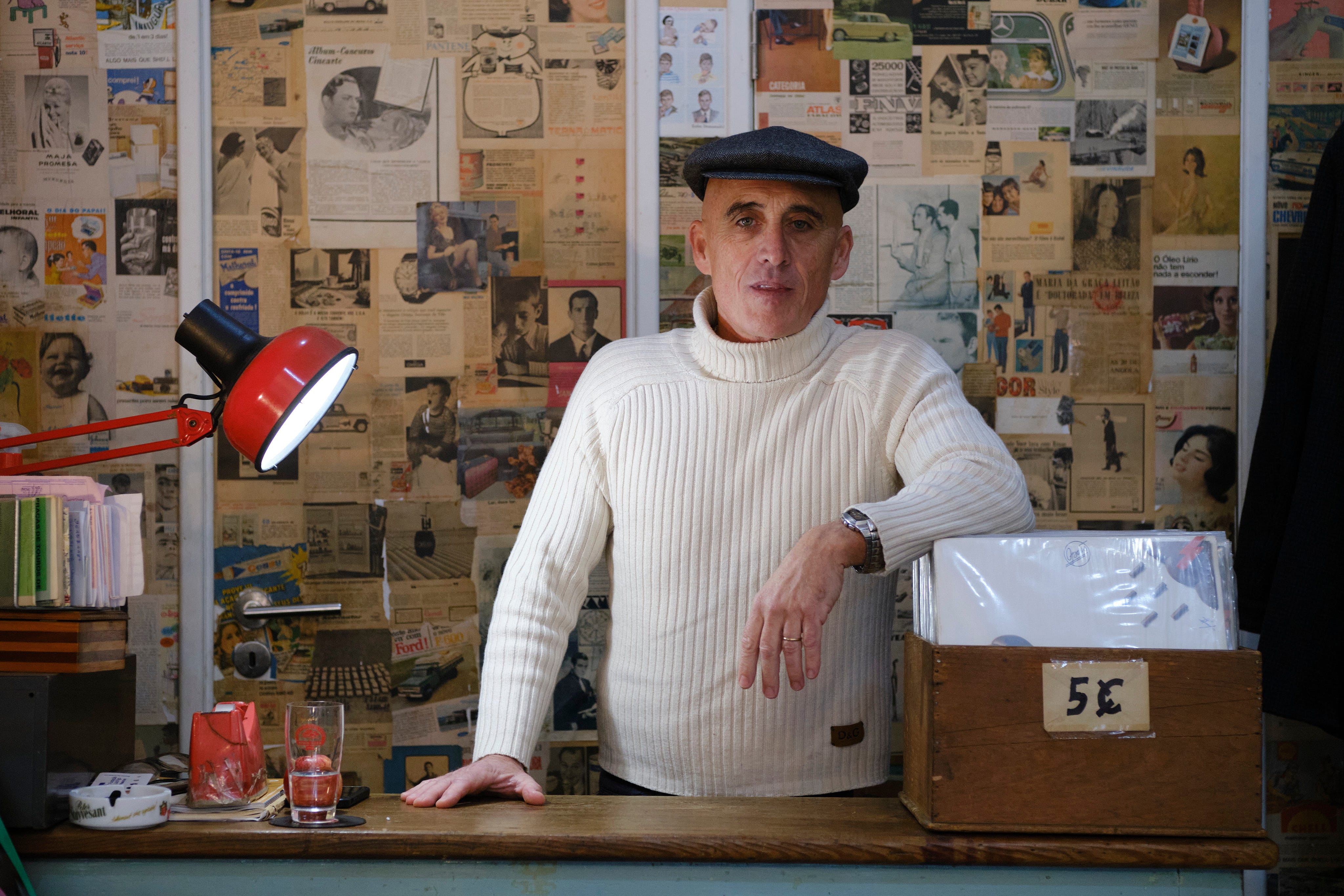
Tucked away on Rua dos Anjos in Lisbon, this little gem is a treasure trove of beautifully curated vintage items—mid-century bookshelves, elegant chairs, stunning lamps, designer cabinets, and rare vinyl records. Each piece feels like it has a story to tell, and I’ll admit, I’ve mentally redecorated my home with half the shop’s inventory.
The man behind this haven is Frederico Lima, a Lisbon native who now lives across the river in Almada with his family.
Ten years ago, he opened Retrox Vintage Shop, and it’s been a labour of love ever since.
As a photographer, I’m always drawn to places with character and soul, and Retrox Vintage Shop is exactly that. It’s the kind of place I love to document for my personal projects—spaces that tell a story, not just through their objects but through the people behind them. So, when Frederico, whom I’d photographed at his wedding celebration a year ago, agreed to let me feature his shop, I knew this was a story I wanted to tell. And now, here we are—exploring a shop that’s more than just a business; it’s a testament to passion, resilience, and the fight to keep Lisbon’s soul alive.
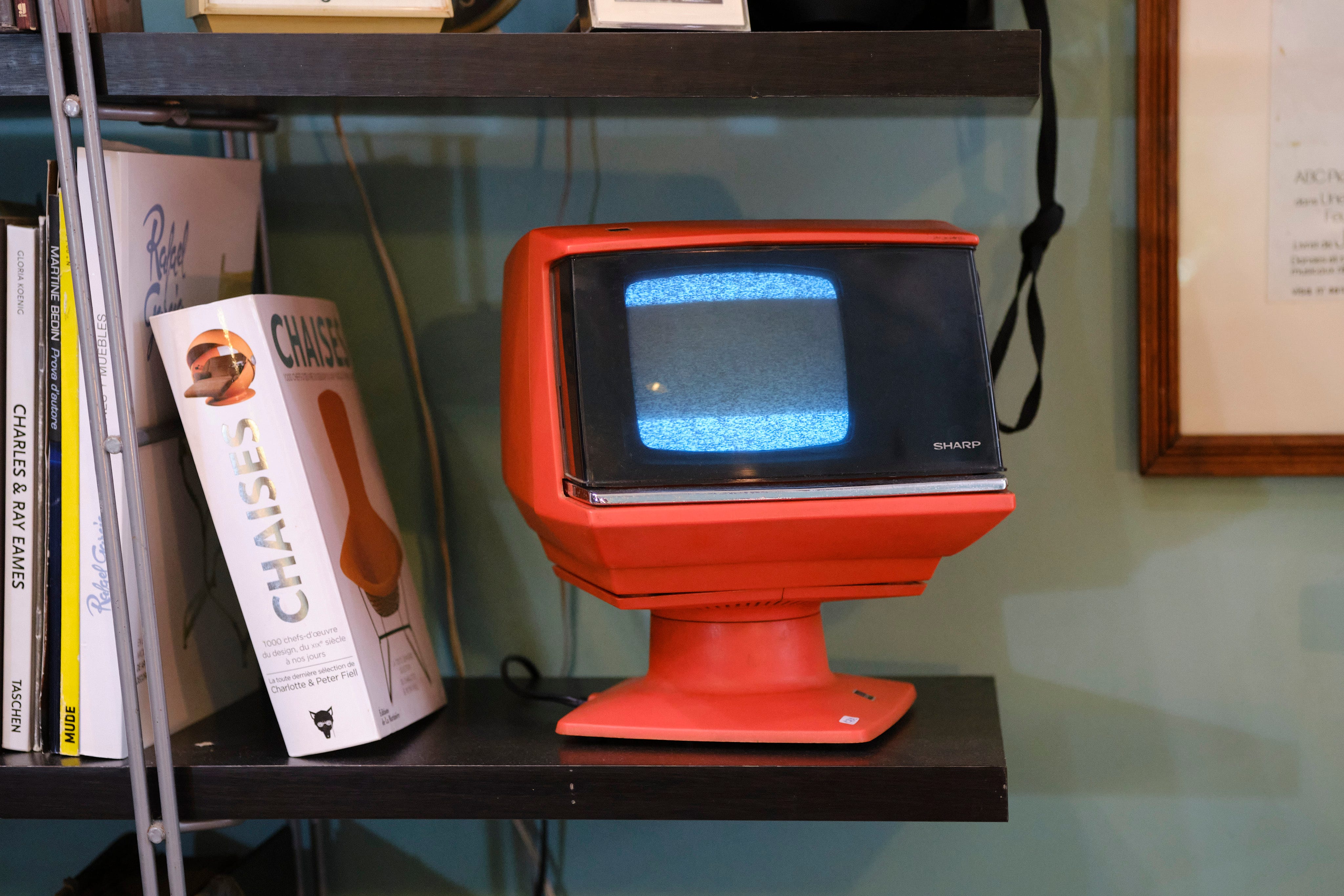
Let's talk about the passion that goes into this. As I was curious how he gets all these lovely treasures, this must be a real hunt and search
Frederico explained that while he occasionally gets items offered to him, most of his treasures are found through relentless searching. He scours the city's outskirts, visiting flea markets and associations that collect and sell old items. It’s a process that requires patience, dedication, and a keen eye—digging through piles of forgotten objects to find those special pieces that tell a story.
“You have to have passion,” he told me. “Otherwise, it doesn’t have a life, and it won’t last.” For Frederico, this isn’t just a business; it’s a labour of love, a way to preserve the past and share it with others.
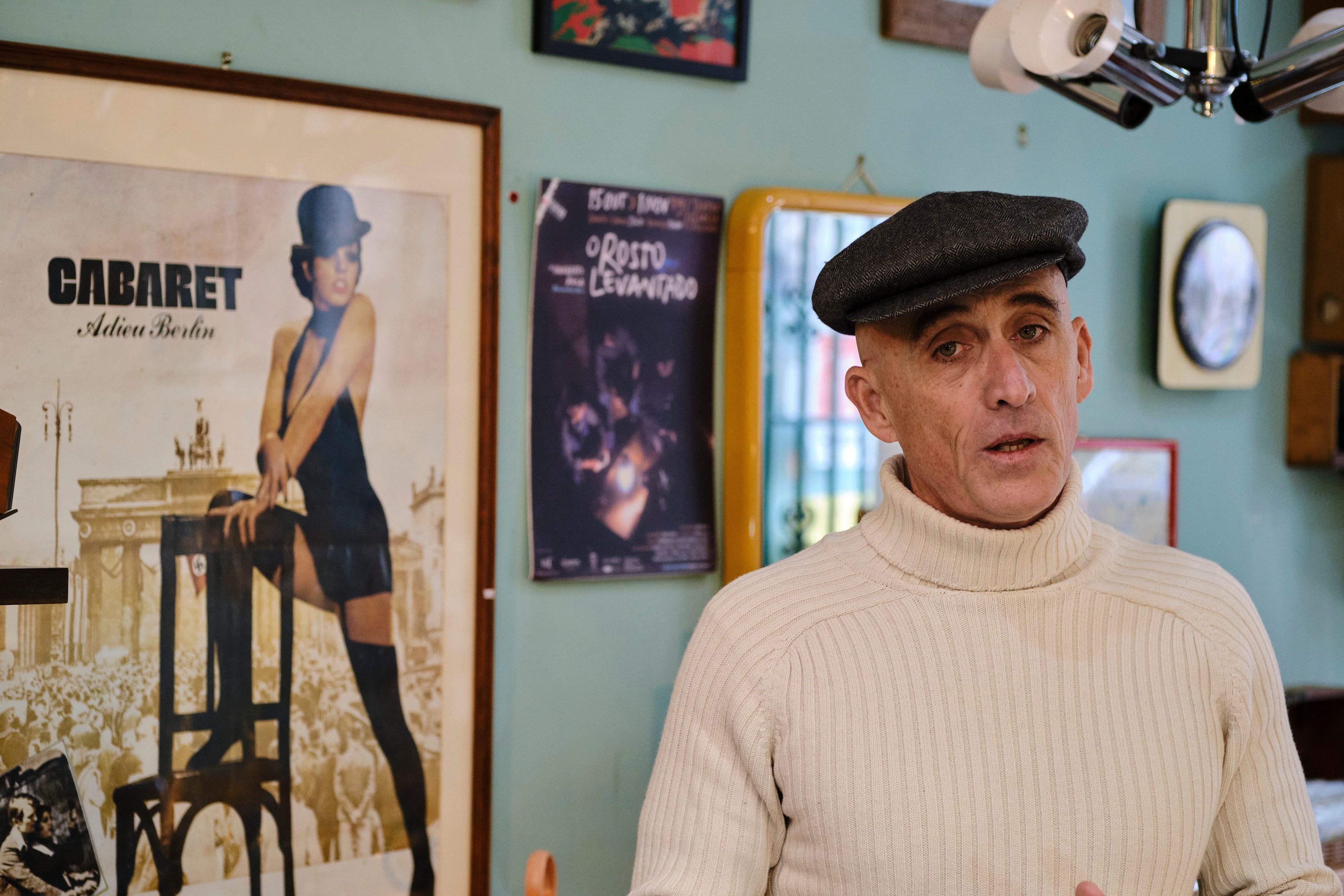
As we kept talking about his passion, I asked Frederico about the current state of small shops in Lisbon.
That’s when the conversation took a more serious turn.
He explained that, for a while now, authentic shops like his have been disappearing due to a troubling trend. “You’ve probably noticed it yourself,” he said. “All over Lisbon—and in many other European cities, like Amsterdam—there’s been a sharp increase in small, fake souvenir and grocery shops. Most are run by people from India, Pakistan, and Bangladesh, but they don’t seem to sell much of anything.
They’re popping up everywhere, especially in prime locations, even as rents keep climbing.”
Frederico paused, then shared a striking observation. “I went to the downtown area recently and counted 30 of these shops on just one street. Thirty! And most of them were empty, just sitting there.”
It’s a puzzling situation.
How can so many identical shops, seemingly selling nothing, afford such high rents in the most desirable areas?
Frederico had an answer. “These shops,” he explained, “or lojas fantasmas as they’re called here—which means ‘ghost shops’—are part of a larger criminal network. They’re used to facilitate visas for immigrants and to launder money. That’s how they can pay the rent without issue.”
He went on to describe the politics behind it all—the powerful individuals who benefit from cheap labour and the systems that keep these networks running. “It’s not the immigrants’ fault,” he emphasised. “This is clearly organised and supported by people in high places. Otherwise, how could it keep growing without anyone stopping it?”
It’s a deep and troubling story, one that I’ve often wondered about myself. Seeing so many of these ghost shops, I couldn’t help but feel they were erasing the soul of authentic neighbourhoods. And as Frederico made clear, this isn’t just a local issue—it’s part of a much larger, systemic problem.
I did some reading about the issue and found that it’s being addressed by journalists, police, and even immigration services. But so far, no one has been able to stop it.
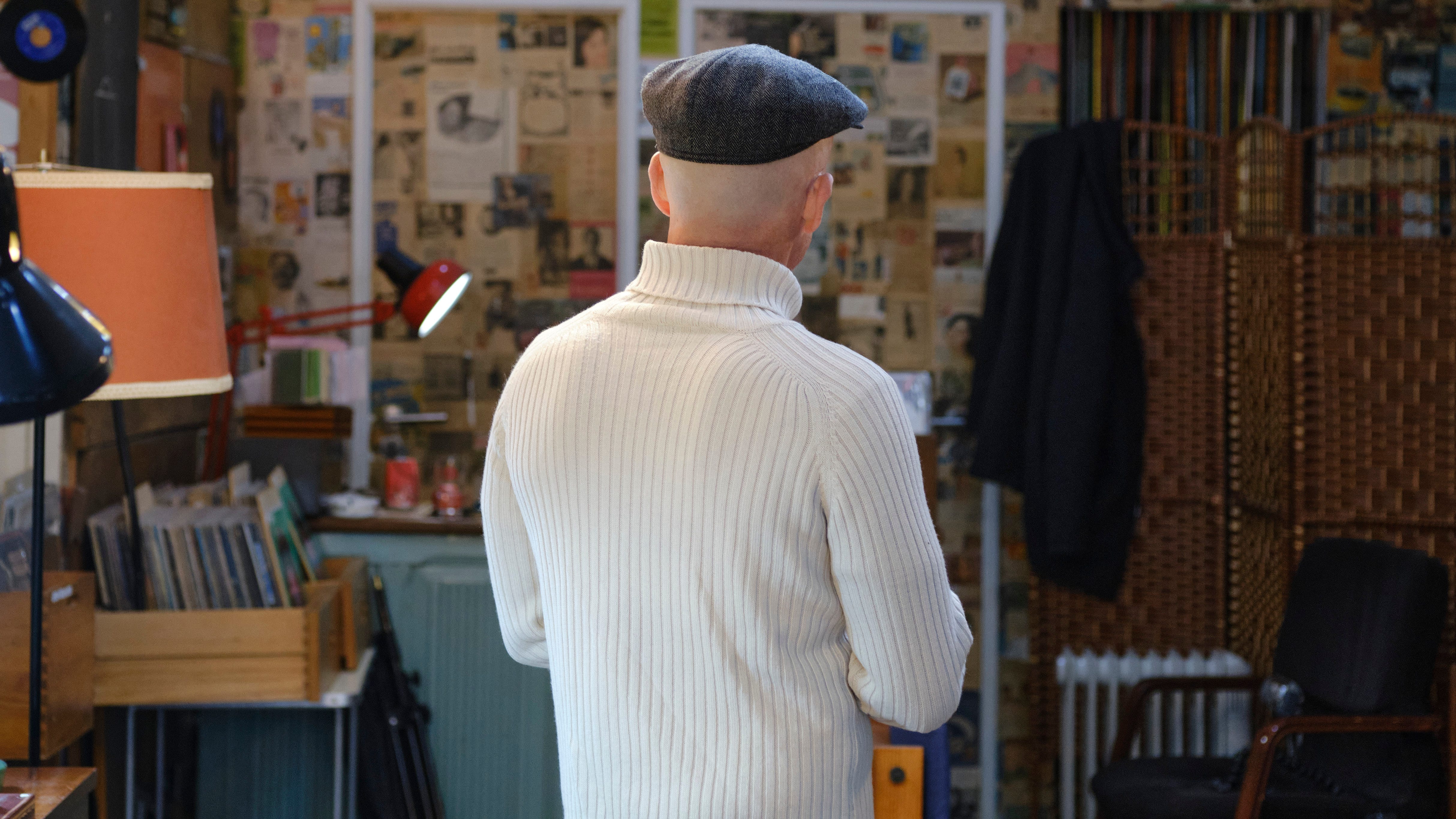
It made me sad, but also more determined. I decided to talk to more shop owners, document their stories, and capture their spaces through my photography. Even if I can’t change the situation overnight, I can at least share their voices in my own humble, artistic way.
Stories like these feel important to me—not just as a way to potentially spark change (though that feels like a monumental task), but to document and preserve what’s happening. By sharing these stories, maybe more people will take notice. I don’t see myself as an investigator or journalist, but as a photographer and artist, I do feel I have a platform—and a voice—that I’d like to use for good whenever I can.
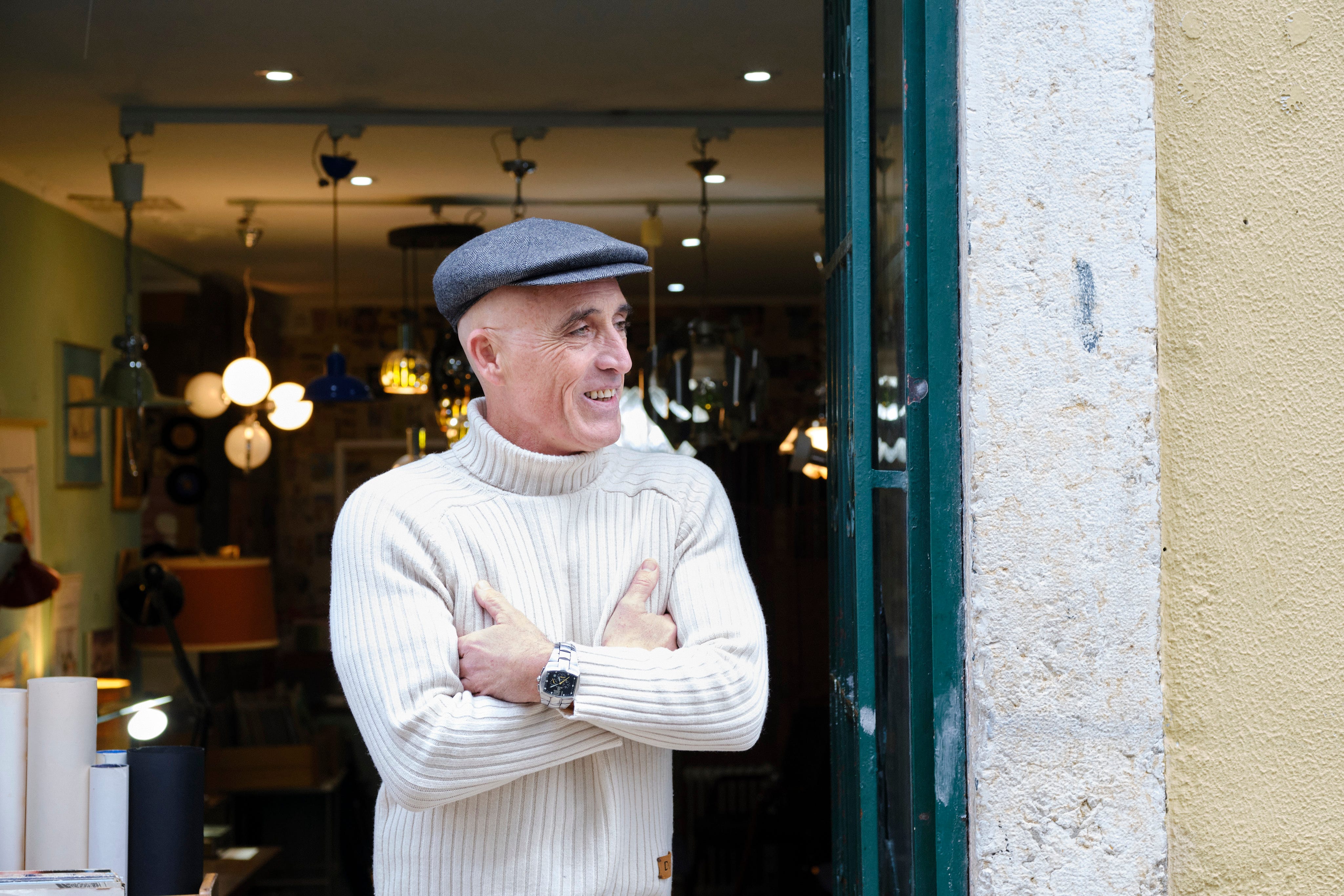
So let’s celebrate and support shops like Frederico’s while we still can. So many cities are already overrun by tourist-driven commerce, their unique character steadily erased. It’s places like Retrox Vintage Shop that give cities like Lisbon their soul—their authenticity, their diversity, their stories. These are the things I’ve always loved about travelling and living in such places: the sense of discovery, the feeling that every corner holds something special.
As we finished our conversation, I felt a deep sense of warmth and purpose. Frederico’s story stayed with me, and I realised I had a mission—one that’s entirely up to me to define and pursue.
For now, I’m happy to share this story with you, whoever you are, reading these words. Because if we don’t pay attention, if we don’t care, these places—and the stories they hold—might disappear forever.
So next time you’re in Lisbon—or any city—take a moment to step into a small, independent shop. Talk to the owner. Listen to their story. Buy something, even if it’s small. Because these places don’t just sell things; they keep the soul of a city alive. And isn’t that worth fighting for?
To be continued
“For more information about the shop, please visit them here: Instagram
All photos are taken by me, ©Danyel van Kleef 2025, all rights reserved
For more information about my work, please visit,
Great read and interesting story.
Well written and great photography, as someone who once wanted to pursue journalism, I'd say your story telling skills and street photography combined are a winning combination. I hope you keep this up, the world needs this kind of inspiring work.